+86 13777722188 


Global buyers are stepping into a bigger—and frankly tougher—electric wire market these days. According to the IEA's Electricity 2024 report, global electricity demand is expected to climb by about 3.4% a year from 2024 through 2026. That kind of growth means new grids, factories, data centers, buildings, and renewable projects. But it also puts more pressure on buyers: pick wire that's actually reliable, not just the cheapest option.
Materials costs? Yeah, they matter. The International Copper Study Group's October 2024 forecast sees refined copper use rising 3.2% in 2024 and 3.5% in 2025. Copper conductors may give you great conductivity, while aluminum can cut weight and purchasing costs. Which one wins depends on distance, load, installation space, temperature, and maintenance plans. Little details count, too—like a crowded control cabinet that ends up exposing poor insulation fast.
Thomas Edison, one of the electrical pioneers, once said, "The value of an idea lies in the using of it." That still holds up for wire procurement. A spec is only helpful when factories, installers, and inspectors can apply it the same way, every time. This guide looks at ten major types of electric wire, including Building Wire, flexible wire, armored cable, coaxial cable, and photovoltaic wire. Each section covers conductor material, insulation, voltage rating, fire performance, certification, packaging, and export documentation. No list is ever perfect, of course. Regional standards differ, and product names sometimes overlap. Before ordering, buyers should check test reports, batch traceability, conductor size, and real operating conditions. A shiny datasheet isn't a substitute for evidence.
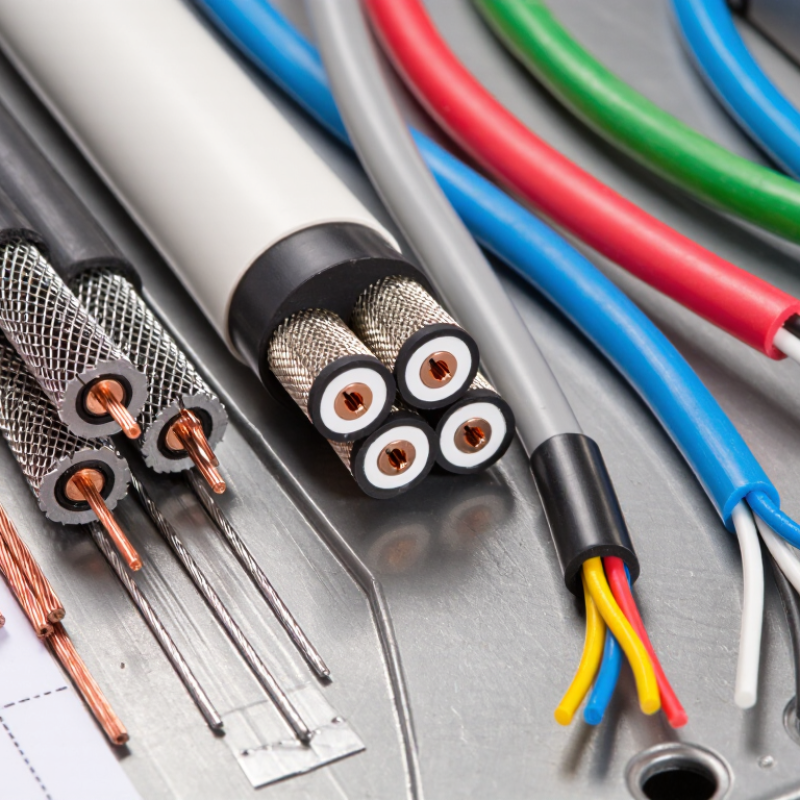
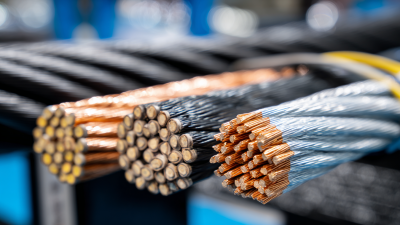
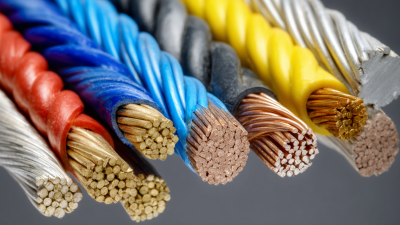
Choosing Electric Cable Wire starts with the conductor, not the color. Copper carries current efficiently and bends easily. Aluminum weighs less, but its joints need careful preparation. Solid conductors suit fixed runs. Stranded conductors flex better in equipment and moving panels. During site inspections, I check conductor size against load, distance, and allowable voltage drop. A thicker conductor may be necessary when heat or long routes increase resistance.
Insulation controls contact, moisture, and temperature risks. Common constructions include PVC, cross-linked materials, rubber, and fluoropolymer jackets. Each behaves differently near sunlight, oil, water, or machinery. A cable rated for indoor use may fail outdoors. Look beyond the voltage number. Current rating depends on ambient temperature, installation method, grouping, and ventilation. For global purchasing, verify the applicable test standard and marking with a qualified engineer. Ratings are not decorative.
The ten common families include single-core, multi-core, flexible, flat, twisted-pair, coaxial, shielded, armored, heat-resistant, and Aerial Cables. Their construction changes handling, noise control, mechanical protection, and installation cost. A shield can reduce interference, while armor helps resist crushing and impact. Strain relief matters where a cable enters a motor or control box. I have seen otherwise suitable cables fail because bends were too tight. That detail is easy to miss. Specifications deserve a second look because local conditions may differ from laboratory assumptions.
| No. | Wire Type | Typical Conductor | Insulation / Sheath | Typical Voltage Rating | Temperature Rating | Construction | Common Applications | Common Reference Standards |
|---|---|---|---|---|---|---|---|---|
| 1 | THHN / THWN-2 Building Wire | Solid or stranded copper; aluminum also available in larger sizes | PVC insulation with nylon jacket | 600 V | 90°C dry; THWN-2 permits 90°C wet | Single conductor, typically installed in conduit or raceway | Commercial buildings, industrial panels, feeders, and branch circuits | UL 83; commonly used under NEC requirements |
| 2 | XHHW-2 Wire | Stranded copper or aluminum | Cross-linked polyethylene (XLPE) | 600 V; higher-voltage designs are also manufactured | 90°C dry and wet | Single insulated conductor with a relatively durable, moisture-resistant jacket | Wet locations, underground raceways, feeders, and Power Distribution | UL 44; NEC applications |
| 3 | RHW-2 / RHH / USE-2 Wire | Stranded copper or aluminum | Thermoset rubber or Xlpe Insulation | Typically 600 V | 90°C dry and wet for the “-2” rating | Single conductor; USE-2 versions are generally sunlight resistant | Underground service entrances, direct burial systems, and industrial distribution | UL 44; UL 854 for service-entrance applications |
| 4 | PVC Single-Core Building Wire | Solid or flexible stranded copper | PVC insulation; usually no outer sheath for single-core versions | 450/750 V is common | Usually 70°C, depending on the insulation designation | One insulated core; flexible classes use fine-stranded conductors | Fixed wiring in conduits, control cabinets, appliances, and low-voltage installations | IEC 60227 series; national cable regulations may also apply |
| 5 | XLPE Insulated Power Cable | Copper or aluminum, stranded and compacted where specified | XLPE insulation with PVC or low-smoke zero-halogen outer sheath | 0.6/1 kV is common; medium-voltage versions are also available | 90°C continuous conductor temperature | Single-core or multicore; optional screen, armor, and concentric neutral | Industrial power distribution, renewable-energy systems, and underground feeders | IEC 60502-1 for many low-voltage power-cable designs |
| 6 | Armored Power Cable | Copper or aluminum conductors | PVC or XLPE insulation with inner bedding and metallic armor | Commonly 0.6/1 kV | Typically 70°C with PVC or 90°C with XLPE | Multicore or single-core cable with steel wire, steel tape, or aluminum armor | Direct burial, outdoor installations, industrial plants, and areas requiring mechanical protection | IEC 60502-1; installation requirements vary by country |
| 7 | Flexible PVC Cord | Fine-stranded copper conductors | PVC insulation and PVC outer sheath | 300/500 V is common | Usually 70°C | Two or more flexible cores with a round or flat overall profile | Portable appliances, indoor equipment, power tools, and light-duty extensions | IEC 60227 series |
| 8 | Rubber Flexible Cable | Fine-stranded copper conductors | Rubber or elastomer insulation with a tough rubber outer sheath | 300/500 V or 450/750 V, depending on construction | Commonly 60°C; exact limits depend on the cable designation | Multicore, highly flexible, and resistant to abrasion and intermittent outdoor use | Construction equipment, industrial machinery, temporary power, and outdoor tools | IEC 60245 series |
| 9 | Welding Cable | Extra-flexible, fine-stranded copper | Flexible elastomer, neoprene, EPDM, or equivalent heavy-duty jacket | Typically 600 V | Commonly 90°C; verify the product certification | Single-core, highly flexible, with a high strand count for repeated movement | Welding machines, electrode holders, grounding leads, and high-current connections | EN 50525-2-81; applicable national welding-cable requirements |
| 10 | Fire-Resistant and Low-Smoke Cable | Copper conductors, usually stranded | Mica or mineral fire barrier with XLPE, LSZH, or other low-smoke compounds | Commonly 0.6/1 kV | Often 90°C continuous; emergency and fire-survival ratings are separate test values | Single-core or multicore, with enhanced flame, smoke, and circuit-integrity performance | Emergency lighting, fire pumps, alarms, evacuation systems, tunnels, and public buildings | IEC 60331, IEC 60332, IEC 60754, and IEC 61034, as applicable |
| Note: Voltage, conductor size, temperature, ampacity, flame performance, and permitted installation methods depend on the exact cable construction, local electrical code, ambient conditions, and certification requirements. Buyers should confirm the applicable national standard and technical datasheet before ordering. | ||||||||
Electric wires are classified by material, structure, insulation, and application. A useful top-ten list includes solid copper, stranded copper, aluminum, PVC-insulated, XLPE-insulated, rubber-insulated, armored, coaxial, twisted-pair, and solar photovoltaic cables. Copper offers strong conductivity and flexible termination. Aluminum reduces weight and material cost, but needs careful joint preparation. Solid conductors suit fixed installation. Stranded conductors bend more easily.
Insulation changes performance in heat, moisture, and mechanical stress. PVC fits many building circuits, while XLPE supports higher thermal limits. Rubber handles movement and harsh working areas. Armored designs add protection beneath floors or outdoors. Coaxial and twisted-pair constructions serve signal applications, not ordinary power distribution. Solar cables require weather-resistant jackets and reliable connectors. Cable Electric Wire selection should match voltage, current, temperature, installation method, and local standards.
The International Energy Agency’s Electricity 2024 report projects global electricity demand growth of about 3.4% annually through 2026. That growth increases demand for dependable conductors and safer distribution systems. The International Copper Study Group also identifies power infrastructure as a major copper-demand area.
Tips: Check conductor size against measured load, not guesswork. Leave space inside conduits. A neat specification can still fail in humid, hot, or vibrating locations. I would verify insulation temperature ratings and terminal compatibility before ordering. Small details matter.
Residential and commercial projects need building wires matched to load, routing, and local installation rules. Common choices include solid copper wire for fixed residential circuits and stranded copper wire for panels, machinery, and flexible connections. Aluminum conductors can reduce cost and weight, but they require suitable terminals and careful joint preparation.
Insulation matters as much as conductor metal. PVC-insulated wires suit many indoor circuits, while heat-resistant or low-smoke materials may support demanding commercial spaces. An Electric Power Cable used for feeders should have the correct voltage rating, conductor size, temperature limit, and fire performance. Never select by appearance alone.
Measure the route carefully.
For buying, request test reports, conductor resistance data, insulation thickness, and clear marking on every coil. Check whether the wire is solid, stranded, single-core, or multi-core. A longer run may require a larger conductor to control voltage drop, especially with motors or heavy lighting loads. In humid areas, moisture resistance deserves attention. In crowded ceilings, heat can build quietly.
A practical inspection includes checking clean insulation, consistent color, and undamaged copper strands. Small defects matter. Yet specifications can still miss site conditions, and that is where careful review remains necessary. Local electricians should confirm compatibility with regional codes before installation.
Typical voltage ratings for building wires used in residential and commercial electrical installations
Most fixed building-wire products are commonly rated at 600 V, while flexible portable cords such as SJOOW are typically rated at 300 V. Actual ratings, permitted applications, conductor sizes, and ampacity depend on the applicable electrical code, insulation construction, temperature rating, and installation conditions.
Power wires must match the equipment, environment, and required load. For utility networks, aerial bundled cable offers organized overhead distribution. Underground feeders often use cross-linked polyethylene insulated cable for stable operation. Medium-voltage cable supports substations and industrial power routes. Flexible copper cable suits machinery with repeated movement. Armored cable adds mechanical protection in exposed areas. Tray cable fits controlled industrial installations. Welding cable handles high-current equipment and frequent bending. Control cable connects sensors, relays, and machine panels. Instrumentation cable protects low-level signals from electrical interference. Solar cable supports outdoor photovoltaic systems. Each type solves a different problem.
Tips: Check conductor material, insulation temperature, voltage rating, bending radius, and fire performance. Ask for routine test reports and clear construction drawings. Measure the actual installation path, not only the catalog length. A wire that works in a dry factory may fail in oil, moisture, heat, or vibration. Verify local electrical codes with a qualified engineer before purchase. This step is often skipped. It should not be.
In practical sourcing, copper provides excellent conductivity and flexibility, while aluminum can reduce weight and cost. However, termination needs careful attention. Undersized conductors may overheat during continuous motor loads. Oversized cables can create unnecessary installation difficulty. I have seen projects delayed because the selected cable fit electrically but not mechanically. Consider pulling tension, gland size, tray space, and maintenance access. Good specifications should state conductor class, insulation type, shielding, jacket material, length tolerance, and inspection requirements. Even experienced buyers can overlook one detail. Recheck the complete operating environment before approving production.
Top 10 Types of Electric Wire for Global Buyers
Control, instrumentation, and communication wires connect sensors, controllers, panels, and field equipment. Their selection affects signal accuracy, maintenance time, and system safety.
Control wires carry switching commands between relays, motors, valves, and control cabinets. Multi-conductor designs reduce installation time when many circuits share one route. Instrumentation cables handle low-level signals from pressure, temperature, and flow sensors. Twisted pairs help reduce electromagnetic interference, while individual shields protect sensitive measurement channels. Shielding must be grounded correctly. A poorly terminated shield can create noise instead of removing it.
Communication wires support data exchange between controllers, meters, and monitoring systems. Shielded twisted pair suits many industrial networks, while coaxial cable serves specific high-frequency connections. Fiber optic cable offers strong resistance to electrical interference and long-distance signal transmission. Cable temperature ratings, bending radius, conductor size, insulation material, and fire performance deserve careful review. Check local electrical codes and the equipment manufacturer’s requirements before ordering. Cheap cable can become expensive after troubleshooting. Field layouts also change, so spare pairs may prevent future rewiring. However, adding too many unused conductors increases diameter and cost. The right balance is easy to miss. Measure twice. Label every core clearly.
Global buyers need more than a conductor and an insulation label. High-temperature wires using silicone, fluoropolymer, or mica insulation suit ovens, motors, and industrial control panels. Always check continuous temperature ratings, not only short-term peaks. A wire can survive heat briefly and still age quickly.
Flexible fine-stranded copper wire supports robotics, portable tools, and repeated cabinet movement. Look for bend-radius data, torsion-cycle testing, and oil resistance. Shielded twisted-pair cables help control electromagnetic noise in sensors and automation networks. The International Telecommunication Union reported 5.4 billion people were online in 2023, increasing pressure on reliable data infrastructure. Small signal losses matter.
Safety requirements demand equal care. Flame-retardant, low-smoke, and halogen-free constructions can reduce smoke and corrosive gases during fires. However, “low smoke” is not a universal performance guarantee. Buyers should request test reports against the applicable IEC or national standard, plus conductor size, voltage rating, batch traceability, and installation limits. The International Energy Agency reported that data centers consumed about 460 TWh of electricity in 2022. Their demand may exceed 1,000 TWh by 2026. That growth makes thermal management and cable identification more important. A neat specification can still fail in a dusty cabinet. I would verify the actual route, bending movement, and surrounding heat before approving any shipment.
Global buyers comparing the Top 10 Types of Electric Wire should begin with standards, not appearance. Common options include PVC-insulated, XLPE, rubber, fire-resistant, coaxial, and low-voltage control wires. Each type suits different temperatures, voltages, environments, and installation methods. IEC standards support international comparison, while UL, CSA, and regional approvals may apply in specific markets. A certificate alone is not enough. Buyers should verify its number, testing scope, issuing laboratory, and validity.
Check the conductor material, cross-sectional area, insulation thickness, voltage rating, and maximum operating temperature. For outdoor Electric Power Lines, UV resistance, water penetration protection, and mechanical strength matter. Industrial projects may require flame-retardant performance, low smoke, or resistance to oil and chemicals. European construction projects can involve CPR requirements, while other countries may demand local conformity documents. Request batch test reports, traceability records, and samples before placing a large order. A clear sample helps.
Practical inspection often reveals overlooked details. The printed marking should remain readable after bending and light abrasion. Terminals should fit without forcing the conductor. Packaging must protect coils from moisture, especially during sea transport. Yet even careful selection can fail when installation conditions are misunderstood. A wire rated for indoor use may age quickly under rooftop sunlight. Buyers should ask an independent engineer to review the design, local code, and actual site conditions before approval.
Match the wire to the equipment, environment, voltage, and continuous load. Check conductor material, insulation temperature, bending radius, and fire performance. A catalog match is not enough.
Copper offers strong conductivity and good flexibility. Aluminum can reduce weight and cost. Its terminations need careful tightening and inspection.
Heat, oil, moisture, dust, and vibration can shorten wire life. A wire suitable for a dry factory may fail near an oily motor.
Use flexible, fine-stranded copper wire with clear bend-radius data. Request torsion-cycle results and oil-resistance information. Movement changes everything.
Armored cable adds mechanical protection in exposed or vulnerable areas. Consider pulling tension, gland size, and maintenance access before installation.
Shielded twisted-pair cable helps protect sensor and network signals from electrical noise. Keep the route away from strong power cables when possible.
State the conductor class, insulation type, shielding, jacket material, voltage rating, length tolerance, and inspection requirements. Missing one detail can delay production.
Request routine test reports, construction drawings, batch traceability, and applicable safety test results. “Low smoke” alone proves very little. I would recheck everything.
Check its continuous temperature rating, not only its short-term peak. Silicone, fluoropolymer, and mica insulation serve different heat conditions.
Measure bends, tray space, pulling distance, and access points on site. Catalog length ignores real obstacles. That mistake is surprisingly common.
This guide introduces the top 10 types of Electric Wire for global buyers, beginning with the fundamentals of conductors, insulation, voltage ratings, temperature limits, and cable construction. It explains how wires are classified by material, structure, and intended application, helping readers distinguish building wires for residential and commercial installations from power wires used in utilities, machinery, and industrial equipment.
The article also covers control, instrumentation, and communication wires for reliable system connections, along with specialty wires designed for heat resistance, flexibility, data transmission, and enhanced safety. For international purchasing, it highlights the importance of evaluating operating conditions, current capacity, environmental exposure, installation methods, service life, and total cost. Buyers are also encouraged to verify applicable global standards, testing requirements, certifications, and documentation before selecting Electric Wire for a specific project.