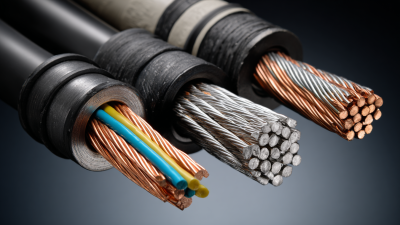
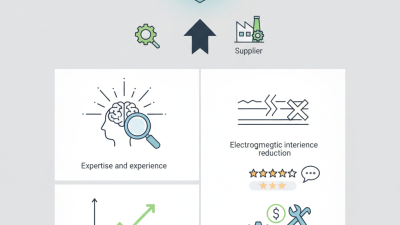
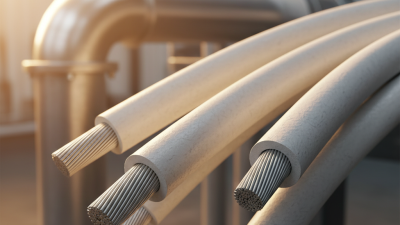
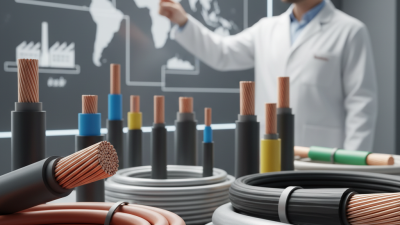
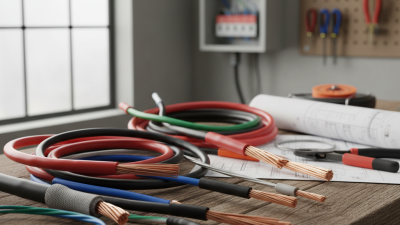
Picking the right Shielded Cable manufacturer in China isn’t just about comparing prices or browsing factory photos. There’s a lot more to it—things like shielding coverage, conductor quality, grounding design, and how consistently they produce. I’ve seen cables that look really sturdy but still fail when installed next to a variable-frequency drive—that little detail can make all the difference.
According to MarketsandMarkets, the global Shielded Cables market is actually growing pretty fast, thanks to areas like industrial automation, renewable energy, data centers, and electric vehicles. Fortune Business Insights also points out that tighter controls on electromagnetic interference are a key driver for this growth. That all sounds promising, right? But just because the market’s getting bigger doesn’t mean every manufacturer is up to scratch. Different reports use different definitions, cover different regions, and have their own ways of forecasting. So, the numbers aren’t always directly comparable.
Henry W. Ott, an EMC expert, famously said, “The best way to deal with EMI is to prevent it at the source.” Honestly, that advice still holds true. A good Chinese supplier should be able to provide measurable attenuation data, traceability for materials, RoHS compliance docs, and records of consistent testing. Look for evidence of ISO 9001 certification, IEC-based testing, or independent lab reports. When you ask about how they check braid coverage, foil continuity, bend resistance, or connector connection—those little details tell you a lot about their experience.
Remember, the biggest supplier isn’t always the best one. It’s more about who can consistently connect good engineering advice with reliable delivery. Some suppliers might have great communication but limited testing evidence. Others might boast impressive stats but not clearly explain how they achieved them—so it pays to dig deeper.
This guide will walk you through how Chinese Shielded Cable manufacturers compare in terms of technical skills, certifications, customization options, overall experience, and customer service. No single ranking is perfect, but when you see transparent evidence, it makes choosing the right partner a whole lot safer.
What Is Shielded Cable and Why Does Manufacturer Choice Matter?
What Is Shielded Cable and Why Does Manufacturer Choice Matter?
Shielded cable contains a conductive layer around its Insulated Wires. This layer reduces electromagnetic interference from motors, inverters, power lines, and nearby equipment. In a factory, poor shielding can appear as sensor errors, unstable data, or unexpected machine stops. The problem may look like software trouble at first.
A reliable manufacturer controls more than the cable’s appearance. It should verify shielding coverage, drain-wire contact, insulation thickness, conductor resistance, and bending performance. During cable inspections, I have found that weak terminations often cause more trouble than the shield material itself. Small details matter. A copper braid may suit repeated movement, while foil shielding can provide strong coverage in compact installations. Aluminum Shielded Cable can also support lightweight designs when its construction matches the application.
Manufacturer selection also affects consistency between production batches. Ask for test records, material specifications, sample approval, and clear tolerance data. Check whether the factory understands temperature, moisture, vibration, and installation radius requirements. A technically impressive sample means little if later batches change. This is where buyers sometimes become too confident. I have seen projects focus on price and overlook connector compatibility, resulting in extra field work. No manufacturer is perfect, but an accountable supplier explains limitations instead of hiding them. The best choice is the one that connects tested materials with honest engineering support.
How to Define the Best Shielded Cable Manufacturer in China
The best Shielded Cable manufacturer is not defined by price alone. It is defined by repeatable quality, technical knowledge, and dependable communication. A serious manufacturer should understand shielding layers, conductor materials, insulation types, and cable flexibility. Ask how the factory controls resistance, shielding coverage, and signal performance during production. Small details matter. A loose braid can weaken protection against electromagnetic interference.
Experience should be visible, not merely claimed. Review sample cables, production records, inspection reports, and customer application feedback. A capable team can recommend a suitable Shielded Wire structure for industrial equipment, control systems, or communication devices. It should also explain why one material fits better than another. Clear answers build trust.
Factory verification adds practical confidence. Check whether incoming materials are traceable and whether finished cables receive electrical, mechanical, and environmental tests. Reliable suppliers usually maintain documented procedures, calibrated equipment, and trained inspectors. They should communicate honestly about delivery limits and design risks. No factory is perfect. That is worth remembering. A manufacturer that admits a weakness may be more dependable than one promising flawless results. Before placing a large order, compare samples after bending, temperature exposure, and repeated connection. The best choice is the supplier whose performance remains stable when real conditions become less convenient.
Key Products and Shielding Technologies to Evaluate
Choosing a Shielded Cable manufacturer in China requires more than comparing prices. MarketsandMarkets estimates the global cable accessories market will exceed USD 100 billion by 2028. That growth increases pressure on suppliers to prove consistency, not merely capacity. Ask for factory test records, conductor resistance data, and batch traceability. Small details matter.
Key products should include shielded control cables, industrial Ethernet cables, coaxial cables, and low-voltage Power Cables. Evaluate copper braid coverage, aluminum foil continuity, drain-wire design, and jacket resistance. For moving equipment, flexible tinned-copper braids can reduce signal interference without cracking quickly. For fixed installations, foil-braid combinations often provide broader electromagnetic protection. The best design depends on frequency, bending, temperature, and grounding conditions.
IEC 61156 supports performance evaluation for balanced communication cables, while IEC 60228 defines conductor classes and resistance requirements. A credible supplier should explain compliance clearly and provide independent laboratory reports. Research from MarketsandMarkets indicates industrial Ethernet demand is expanding with factory automation, making insertion loss and crosstalk increasingly important. Ask for attenuation results at the intended frequency, not generic marketing figures. I have seen projects fail because shielding coverage looked impressive but grounding was incomplete. It happens. A supplier may also overstate transfer impedance when test conditions are unclear. Request the method, sample length, and test temperature. A careful comparison takes longer, but it exposes weak claims.
What Is the Best Shielded Cable Manufacturer in China? Key Products and Shielding Technologies to Evaluate
Shielding coverage is an important technical indicator when comparing cable designs. The chart shows typical nominal coverage ranges for commonly used shielding constructions; actual performance also depends on frequency, grounding, connector design, cable geometry, and installation quality.
Evaluation note: Foil provides continuous 100% physical coverage, while braided shields offer mechanical flexibility and typically achieve approximately 70–95% optical coverage. Combination foil-and-braid constructions generally provide broad-frequency protection with approximately 95–100% nominal coverage. Metal conduit can provide near-continuous coverage when properly bonded and terminated.
Quality Standards, Testing Processes, and Certifications
Choosing the best shielded cable manufacturer in China requires more than comparing prices. The International Energy Agency’s Electricity 2024 report projects global electricity demand to grow by about 3.3% annually through 2026. This expansion increases pressure on cable suppliers to deliver stable performance, not attractive samples alone. A reliable factory should control conductor resistance, insulation thickness, shielding coverage, and finished-drum traceability. IEC 60228 testing verifies conductor classes and resistance values. However, compliance on paper is not enough.
During production, inspectors should examine copper purity, screen continuity, bending performance, flame behavior, and insulation resistance. A practical audit may include tensile tests, spark testing, high-voltage testing, and electromagnetic interference checks. The shield should remain continuous after repeated bending, especially near glands and terminals. ISO/IEC 17025-accredited laboratories add credibility because test results come from controlled methods and competent personnel. ISO 9001 certification can support process consistency, but it does not guarantee every shipment.
Ask for batch records.
A manufacturer serving industrial automation, power systems, or Cable Wire Cable applications should provide samples from routine production. Review failed-test records too. That detail is often more revealing than a polished certificate. Some suppliers may pass initial inspections yet show uneven shielding overlap between production lots. I would also question certificates with unclear scope, expired dates, or missing test standards. A strong supplier welcomes independent verification, though no factory is perfect. Mistakes still occur. The difference lies in detection, correction, and documented follow-through.
Production Capacity, Customization, and Industry Applications
What Is the Best Shielded Cable Manufacturer in China?
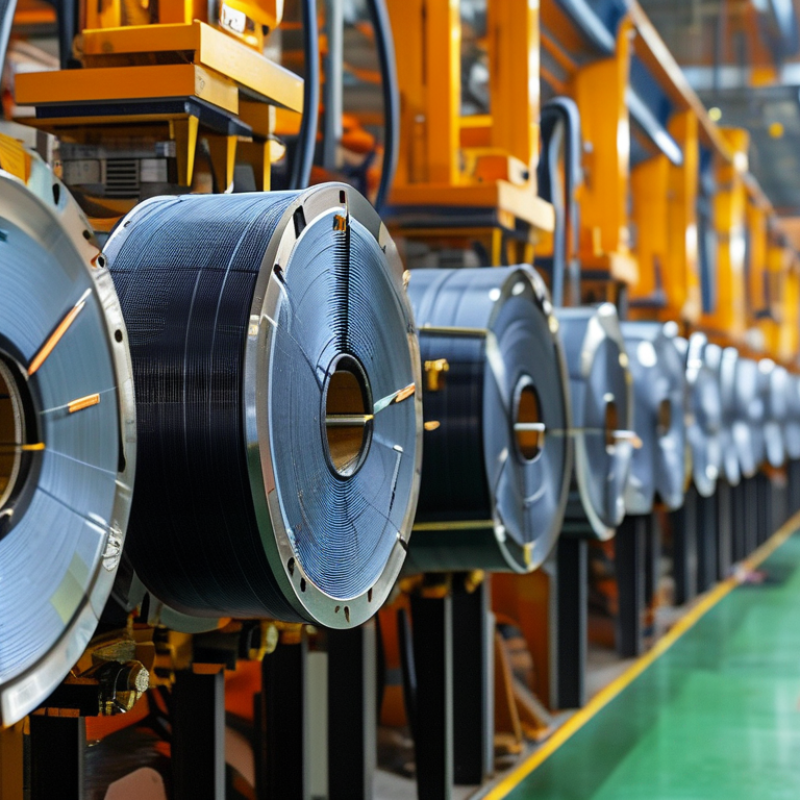
Production capacity matters when projects require stable deliveries, not impressive factory photos. A capable Chinese manufacturer should show monthly output, conductor-drawing resources, extrusion lines, and tested production records. Grand View Research reported continued growth in the global cable market, driven by power, data, and industrial infrastructure investment. This demand makes capacity planning critical.
A supplier with several production lines can separate high-voltage, control, and communication cable orders. That reduces changeover delays. Still, larger capacity does not guarantee better quality.
Customization separates a useful supplier from a catalog seller. Cable structure may need different conductor sizes, insulation materials, shielding layers, bending radii, or jacket colors. Industrial automation often needs compact cables for moving chains.
Renewable energy projects may require weather-resistant jackets and stronger mechanical protection. IEC 60228, IEC 60332, and related testing standards provide practical reference points. However, specifications must match the installation environment. A thicker jacket can improve protection, but it may reduce flexibility.
Tips: Ask for production records, sample test reports, and traceability documents. Request a pilot batch before approving mass production. Check shielding coverage, resistance, tensile strength, and flame behavior. MarketsandMarkets identifies industrial automation and communication infrastructure as important cable demand areas. Factory experience in these applications is valuable. Yet no manufacturer is perfect. I would also examine complaint handling, because delayed technical support can cost more than the cable itself. Small details matter.
Comparing Service, Pricing, Lead Times, and Export Support
Choosing the best shielded cable manufacturer in China requires more than comparing catalog prices. Service quality often appears in small details, such as response time, drawing review, and sample feedback. A capable supplier should confirm conductor size, shielding structure, jacket material, and testing requirements before quoting. For a 4 Cable project, clear communication prevents costly wiring changes later.
Pricing must be judged against performance and consistency. Ask for a detailed quotation covering tooling, packaging, testing, and shipping terms. The lowest offer may use thinner insulation or exclude essential inspections. It can become expensive. Request material certificates, routine test records, and sample measurements. A factory with documented quality procedures is easier to evaluate and audit.
Lead time also deserves careful attention. Standard cable may ship within a few weeks, while custom shielding or special connectors can extend production. Reliable manufacturers provide milestone updates instead of promising an unrealistic date. Export support matters too. Check whether the supplier handles commercial invoices, packing lists, certificates of origin, and destination-specific labeling. Communication may still be imperfect, especially across time zones. That is worth planning for. A written approval process, pre-shipment photos, and independent inspection can reduce avoidable surprises.
What Is the Best Shielded Cable Manufacturer in China? - Comparing Service, Pricing, Lead Times, and Export Support
| Evaluation Area | Standard-Volume Supplier | Custom Industrial Supplier | High-Specification Supplier | Export-Focused Supplier |
| Typical application focus | Control panels, machinery, general industrial wiring | Automation, robotics, sensors, motion equipment | Medical, instrumentation, clean-energy and precision systems | OEM projects requiring documentation and overseas coordination |
| Common shielding options | Overall foil or tinned-copper braid | Individual pair shielding plus overall braid | High-coverage braid, foil, drain wire and special jackets | Shielding selected according to destination standards and EMC requirements |
| Indicative unit pricing* | US$0.35–2.50 per meter | US$1.20–8.00 per meter | US$3.00–18.00 per meter | US$1.00–12.00 per meter |
| Minimum order quantity | Typically 500–1,000 meters | Typically 300–1,000 meters | Typically 100–500 meters for approved designs | Typically 500–2,000 meters, depending on construction |
| Sample preparation | 3–7 working days | 5–10 working days | 7–15 working days | 5–12 working days, including export documentation review |
| Typical production lead time | 15–25 working days | 20–35 working days | 30–45 working days | 20–40 working days, subject to testing and approval |
| Engineering support | Basic construction and material selection | Drawing review, impedance and flex-life recommendations | EMC design, temperature, bending and compliance guidance | Engineering communication aligned with buyer specifications |
| Quality documentation | Routine inspection report and packing list | Material certificates and electrical test records | Detailed test reports, traceability and compliance files | Commercial invoice, certificate of origin and customized document packs |
| Export support | FOB or basic international courier service | FOB, CIF and freight-forwarder coordination | Destination-standard review and controlled shipping documentation | Multi-country logistics coordination and regular shipment updates |
| Payment terms commonly offered | 30% deposit, 70% before shipment | 30% deposit, balance before shipment | Negotiated by project and approval stage | T/T for initial orders; credit terms may require approval |
| Best fit for buyers seeking | Lowest cost and readily available constructions | A balance of customization, performance and cost | Technical performance, traceability and compliance | Simplified international purchasing and shipment management |
*Pricing and lead-time figures are indicative market ranges for shielded cable orders manufactured in China. Actual quotations vary according to conductor size, insulation and jacket materials, shielding coverage, voltage rating, testing requirements, order quantity, Incoterms, destination and raw-material prices. Buyers should request current quotations, samples and compliance documents before making a supplier decision.
ABC Cable SANS 1418: A Practical Guide to Self-Supporting Aerial Cable Selection and Installation
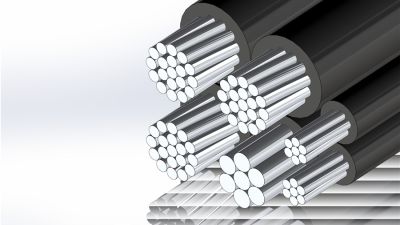
Selecting the right ABC cable under SANS 1418 requires careful consideration of electrical performance, mechanical strength, installation conditions, and long-term environmental exposure. A suitable self-supporting aerial cable should include a circular stranded, compact aluminum phase conductor, which supports efficient power transmission while maintaining a practical balance between conductivity, weight, and durability. The neutral or messenger conductor is typically made from stranded or compacted aluminum alloy (AAAC), providing the mechanical support needed for aerial installation and helping maintain electrical reliability under wind, tension, and temperature changes.
Insulation is another important factor in cable selection. Black polyethylene (PE) offers dependable protection against moisture, sunlight, and general outdoor conditions, while crosslinked polyethylene (XLPE) can provide enhanced thermal performance and resistance to demanding operating environments. For streets, residential developments, and public areas, an optional street lighting conductor can be incorporated to supply lighting circuits without requiring a separate overhead cable. The conductor arrangement should be selected according to the required voltage, current capacity, span length, and lighting requirements.
During installation, the cable should be handled carefully to prevent damage to the insulation and conductors. Appropriate supports, fittings, clearances, and tension levels are essential for maintaining safe separation from buildings, trees, roads, and other services. Installers should verify the route, confirm connection points, and follow SANS 1418 requirements together with applicable local electrical and safety procedures. Regular inspection of supports, terminations, and visible insulation can help identify wear, excessive sag, or environmental damage at an early stage.
FAQS
: A shielded cable has a conductive layer around insulated wires. It reduces interference from motors, inverters, power lines, and nearby equipment. Poor shielding may cause sensor errors, unstable data, or unexpected machine stops.
A capable supplier checks shielding coverage, drain-wire contact, insulation thickness, conductor resistance, and bending performance. Production consistency also matters. A strong sample means little if later batches change.
Copper braid suits repeated movement and flexing. Aluminum foil provides broad coverage in compact installations. Foil-braid combinations can improve protection when frequency and grounding demands are high. The cheapest option may not fit.
Request factory test records, material specifications, sample approval, tolerance data, and batch traceability. Ask for conductor resistance and attenuation results at the working frequency. Generic figures can mislead.
Shielding works properly only when grounding and drain-wire connections suit the application. Incomplete grounding can leave a cable looking impressive but performing poorly. It happens.
IEC 61156 supports evaluation of balanced communication cables. IEC 60228 defines conductor classes and resistance requirements. Ask suppliers to explain compliance and provide independent laboratory reports.
Check bending radius, vibration resistance, jacket durability, and braid flexibility. Flexible tinned-copper braids can resist cracking during repeated movement. Installation details still matter.
Compare test methods, sample length, test temperature, connector compatibility, and stated tolerances. Examine engineering support too. Price matters, but field rework can cost more. No supplier is perfect.
Conclusion
Choosing the best Shielded Cable manufacturer in China requires more than comparing prices. A reliable manufacturer should demonstrate strong technical knowledge, consistent production quality, and the ability to provide effective protection against electromagnetic and radio-frequency interference. Key factors include the range of shielding structures, conductor and insulation materials, cable performance, and suitability for applications such as industrial automation, communications, renewable energy, transportation, and data systems.
A qualified manufacturer should also maintain strict quality control through material inspection, electrical testing, mechanical testing, and performance verification, supported by relevant international certifications. Production capacity, customization options, stable lead times, and flexible order support are equally important, especially for projects with specific dimensions, voltage ratings, connector requirements, or environmental conditions. Finally, buyers should evaluate technical communication, documentation, after-sales service, export experience, packaging, and total cost rather than focusing only on the lowest quotation. The best choice is a dependable partner that combines advanced shielding technology, consistent quality, responsive service, and long-term supply capability.



 +86 13777722188
 WHATSAPP
 PHONE
 E-MAIL