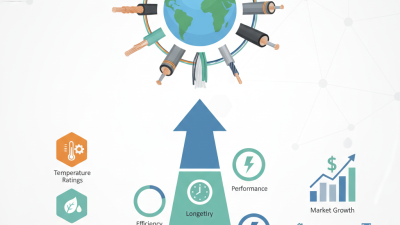
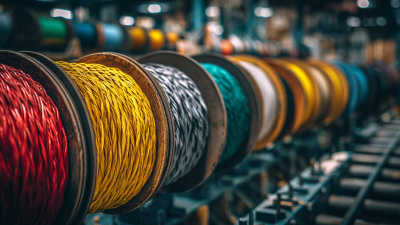
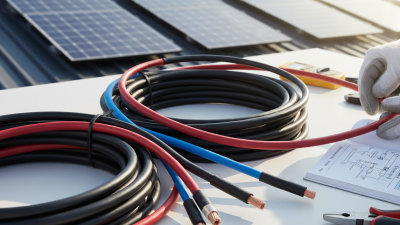
Hey, if you're getting into the world of electrical stuff, it's really important to get a good grip on Power Wire. Things are changing fast in this space, and as industries focus more on being energy-efficient, the need for high-quality cables has shot up. Did you know? According to Market Research Future, the global Power Cable market might hit around $60 billion by 2026. That’s pretty huge, and it’s mostly driven by advancements in renewable energy and more infrastructure projects popping up everywhere.
Choosing the right Power Wire isn’t just about meeting technical specs — it can seriously impact how well your system performs and how safe it is. There are different types out there like THHN, UF, and XHHW, each designed for certain kinds of industrial uses and standards. The National Electrical Code (NEC) stresses picking the right wire to avoid hazards and keep things running smoothly. But let’s be honest, sometimes folks skip over these details and wind up making costly mistakes — no one wants that. Safety and reliability should always come first.
Getting a good handle on the ins and outs of Power Wire choices really pays off when you're shopping around. There are so many options, and each one is suited for specific jobs, so it’s better to focus on understanding what you need rather than just going with your gut feeling. True expertise comes from knowing the industry standards, valuing quality, and thinking ahead — making choices that suit not just today but the future too.
Types of Power Wire in 2026: Understanding the Basics
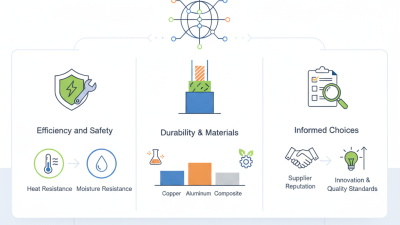
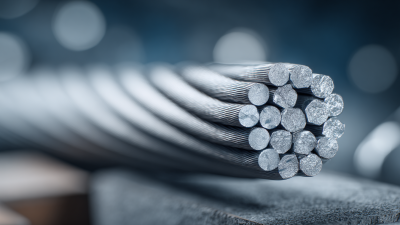
Understanding the various power Wire Types in 2026 is essential for both professionals and hobbyists. Power wires play a crucial role in ensuring the smooth operation of electrical systems. In the coming years, new wire technologies are likely to emerge, alongside traditional types like copper and aluminum. Copper wires excel in conductivity but can be more expensive. Aluminum offers a cost-effective alternative, though it may require larger diameters to match copper's performance.
Choosing the right wire type requires careful consideration of several factors. For instance, insulation material is key. PVC insulation is common but may not withstand extreme temps. Conversely, silicone insulation performs better in those conditions. Some may overlook these details, leading to inefficiencies. Conducting thorough research is imperative.
Recent trends suggest an increasing interest in eco-friendly wire options. Biodegradable and recyclable materials are gaining traction. While this shift is promising, it may not always provide the same durability as conventional materials. Users need to weigh benefits against potential drawbacks. Each choice in wire selection impacts overall system performance and sustainability. Being informed allows for better decision-making.
Key Factors Influencing Power Wire Selection in Various Industries
When selecting Power Wires, several factors come into play. Manufacturers and engineers must consider the wire’s current capacity. This is crucial to ensure safety and functionality. A wire that cannot handle the required load risks overheating. The insulation material also plays a significant role. Different environments may demand specific materials to prevent degradation.
Temperature ratings are another vital aspect. Wires are often exposed to extreme conditions. Using inappropriate Wire Types can lead to failure. Moreover, flexibility is essential in industries like construction. Cables may need to bend around obstacles or fit into tight spaces. Rigid wires can complicate installation and reduce efficiency.
Compatibility with existing systems is often overlooked. New wires must integrate seamlessly with current infrastructure. This ensures optimal performance and reduces the risk of malfunction. Industry standards and regulations dictate certain requirements. Companies must stay updated on these to avoid compliance issues. While taking all these factors into account, it’s also important not to underestimate the impact of cost. Balancing quality and price is a common challenge that requires careful consideration.
Comparative Analysis of Copper vs. Aluminum Power Wires
In the choice between copper and aluminum Power Wires, several factors come into play. Copper wires are known for their superior conductivity. They offer about 96% conductivity compared to aluminum’s 61%. This means copper wires can efficiently carry electricity over longer distances with less energy loss.
However, Aluminum Wires have their advantages. They are lighter than copper, making them easier to handle during installation. Also, aluminum is generally more affordable, which can lead to significant cost savings on large projects. According to industry reports, users can save up to 30% on materials by choosing Aluminum Wires.
For those considering a switch to Aluminum Wires, proper connections are crucial. Aluminum can expand and contract more than copper, leading to potential connection failures. Regular maintenance checks can help catch any issues early. Always ensure that connections are secure to prevent overheating.
When deciding which type of wire best suits your needs, think about the specific application. Consider load requirements and installation environment. In high-load scenarios, copper might be better. In projects with budget constraints, aluminum could be the way to go. Balancing these factors is essential for optimal performance and safety.
Trends in Insulation Materials for Power Wires in 2026
In 2026, the landscape of insulation materials for Power Line Wire is evolving rapidly. The rise of biodegradable insulation options is one significant trend gaining traction. Reports indicate that the use of eco-friendly materials could increase by 35% in the next five years. This shift reflects a growing commitment to sustainability in the industry. Biodegradable insulation can reduce environmental impact while maintaining performance standards.
Another emerging trend is the use of advanced polymer composites. These materials provide superior thermal resistance and electrical insulation. Data shows that composite use has nearly doubled since 2020. Companies are prioritizing innovation in their production processes, leading to enhanced safety and efficiency in power transmission.
Being aware of these trends is crucial. When selecting Power Line Wire, consider materials that not only meet technical specifications but also align with environmental standards. Here’s a thought: can your current suppliers adapt to these changes in insulation materials? Additionally, always look for certifications that validate the performance and safety of the materials used. Embracing new technologies will be essential in staying competitive in the evolving market.
2026 Top Power Wire Types Buyers Need to Know
| Wire Type | Insulation Material | Temperature Rating (°C) | Voltage Rating (V) | Application |
| Copper Wire | PVC | 90 | 600 | Residential Wiring |
| Aluminum Wire | XLPE | 90 | 1000 | Commercial Power Distribution |
| Tinned Copper Wire | Silicone Rubber | 150 | 600 | Marine Applications |
| Multi-Strand Copper Wire | EPR | 105 | 750 | Industrial Equipment |
| PVC Insulated Wire | PVC | 70 | 300 | Low Voltage Circuits |
Regulatory Standards Impacting Power Wire Manufacturing and Use
Understanding the regulatory standards impacting power wire manufacturing is crucial for buyers. These regulations vary by region, affecting material selection and production processes. Compliance ensures safety and reliability. For instance, guidelines dictate the thermal properties of power wires. They must withstand high temperatures without degrading.
Environmental factors also play a role in the manufacturing standards. Manufacturers are pushed to reduce waste and recycle materials. This shift enhances sustainability but may complicate production methods. Buyers often overlook this complexity, focusing solely on price and performance. However, regulatory standards often dictate long-term viability. Understanding these standards builds trust in selected Power Lines.
Safety standards are critical too. They address issues such as insulation quality and conductivity. Non-compliance can lead to dangerous failures. Buyers must grasp these standards to make informed decisions. An awareness of the consequences of neglecting regulations is essential. Reflecting on the implications can influence better choices in the marketplace.
Cost Analysis: Investment in Power Wires for Long-Term Efficiency
Investing in the right types of power wires is crucial for long-term efficiency. According to industry reports, the global Power Cable market is projected to reach $212 billion by 2026. This significant growth is driven by increasing demand for electricity and advancements in electricity transmission technology. Power cables play a vital role in this landscape, impacting overall energy efficiency and operational costs.
When evaluating the costs associated with different power wire types, buyers need to consider copper versus aluminum options. Copper wires offer superior conductivity but come with a higher price point. Reports indicate that while copper costs can fluctuate, aluminum remains 30% cheaper. A balance between initial investment and long-term savings must be struck. The selection of materials is not merely financial; it also affects installation and maintenance expenses.
It's important to reflect on the environmental implications of power cable choices. The production processes for various materials can have distinct carbon footprints. Sustainable choices in power wiring not only help reduce emissions but may also provide better returns in the long run. A thorough cost analysis considers both monetary and ecological factors, ensuring that investments yield high efficiency while aligning with sustainability goals in the power sector.
Emerging Technologies in Power Wire Design and Application
Emerging technologies are reshaping power wire design. One significant trend is the use of advanced materials. For instance, new alloys are enhancing conductivity. This innovation leads to thinner wires, making installations easier and more efficient. The lightweight nature of these wires can improve the overall design of electrical systems.
Another area of focus is smart wire technology. These wires can monitor their own performance. They provide real-time data, helping to prevent issues before they occur. This proactive approach enhances reliability. Additionally, the integration of sensors allows for better management of energy flow. It can lead to more sustainable energy consumption, which is increasingly crucial.
The development of modular wiring is also noteworthy. Modular systems allow for flexibility in installation and maintenance. Users can adapt easily to changing needs. However, this technology is still evolving. Designers must consider compatibility with existing systems. The balance between innovation and practicality remains a challenge in the field of Cable Power.
FAQS
: Current capacity is crucial for safety and functionality. Insulation material protects against environmental degradation.
Wires must withstand high temperatures to prevent failure. Using the wrong type can lead to overheating.
Flexible wires are essential in construction. They need to bend around obstacles and fit into tight spaces.
New wires must integrate seamlessly. This ensures optimal performance and reduces malfunction risks.
Regulations affect material selection and production processes. Compliance ensures both safety and reliability.
Manufacturers aim to reduce waste and recycle materials. This shift complicates production but enhances sustainability.
Smart wires monitor their own performance. They provide real-time data to prevent issues before they occur.
Modular systems allow flexibility for installation and maintenance. Adapting to changing needs becomes easier.
Balancing innovation with practicality can be difficult. Compatibility with existing systems must also be considered.
Non-compliance can lead to dangerous failures. Buyers need to grasp the consequences of neglecting regulations.
Conclusion
The article "2026 Top Power Wire Types Buyers Need to Know" provides a comprehensive overview of the essential aspects of power wires in various industrial applications. It begins by elaborating on the different types of power wires available in 2026, emphasizing their fundamental characteristics and uses. Key factors influencing the selection of power wires, such as environmental conditions and voltage requirements, are discussed, along with a comparative analysis of copper and aluminum options, highlighting their respective advantages and disadvantages.
Additionally, the article explores emerging trends in insulation materials and the regulatory standards that impact power wire production and utilization. It further delves into the cost implications of investing in high-quality power wires for long-term efficiency and examines emerging technologies shaping the future of power wire design and application. Overall, it serves as a vital resource for buyers looking to make informed decisions in the evolving landscape of power wire technology.



 +86 13777722188
 WHATSAPP
 PHONE
 E-MAIL