


 +86 13777722188


0102030405
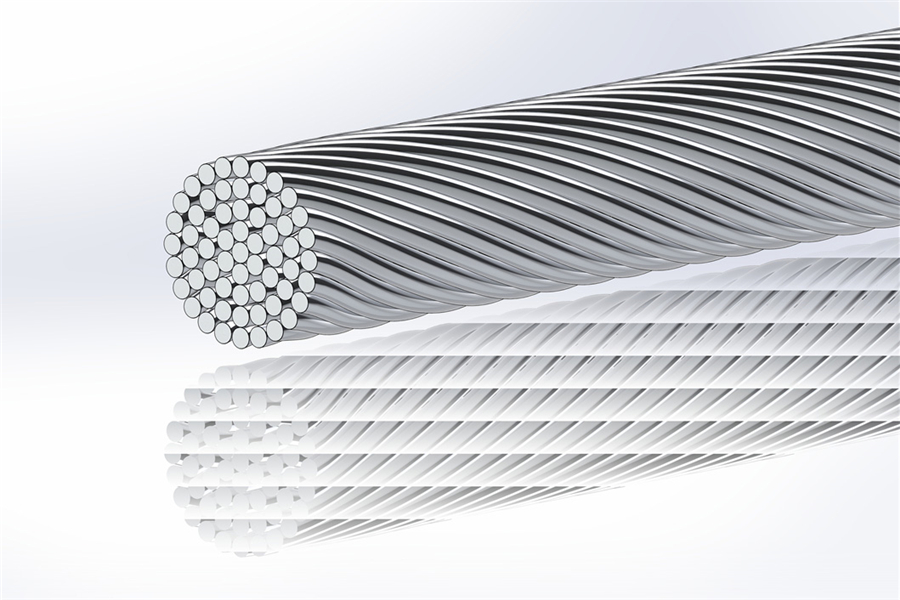
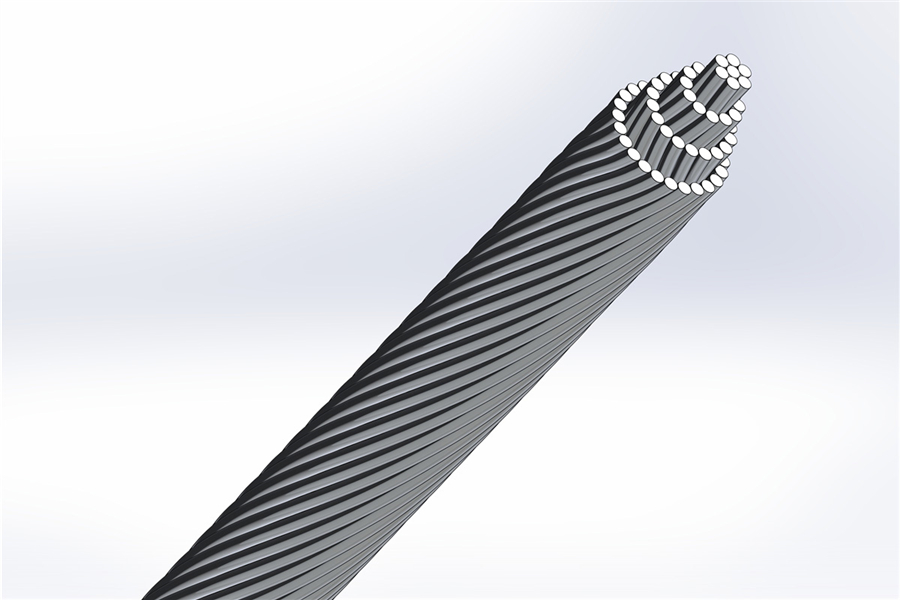
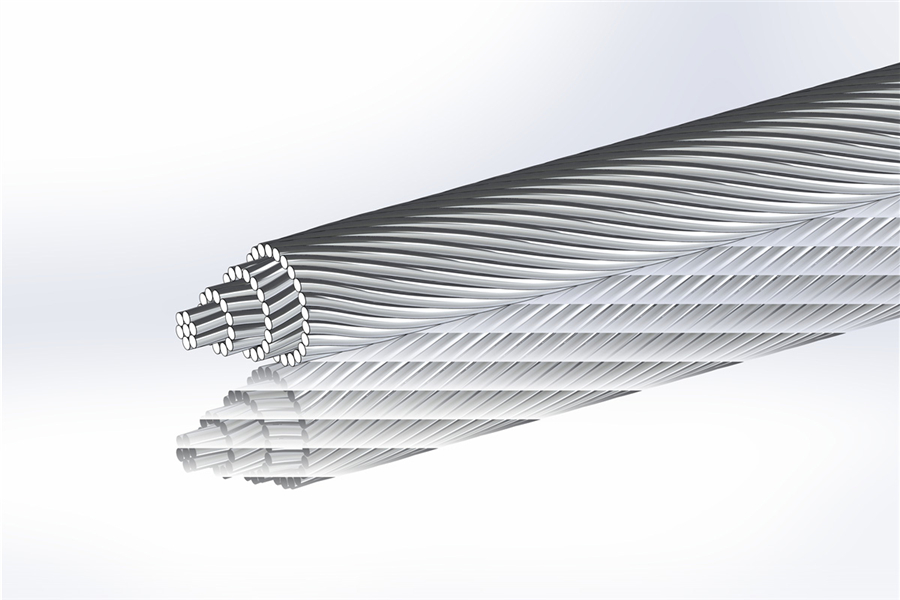
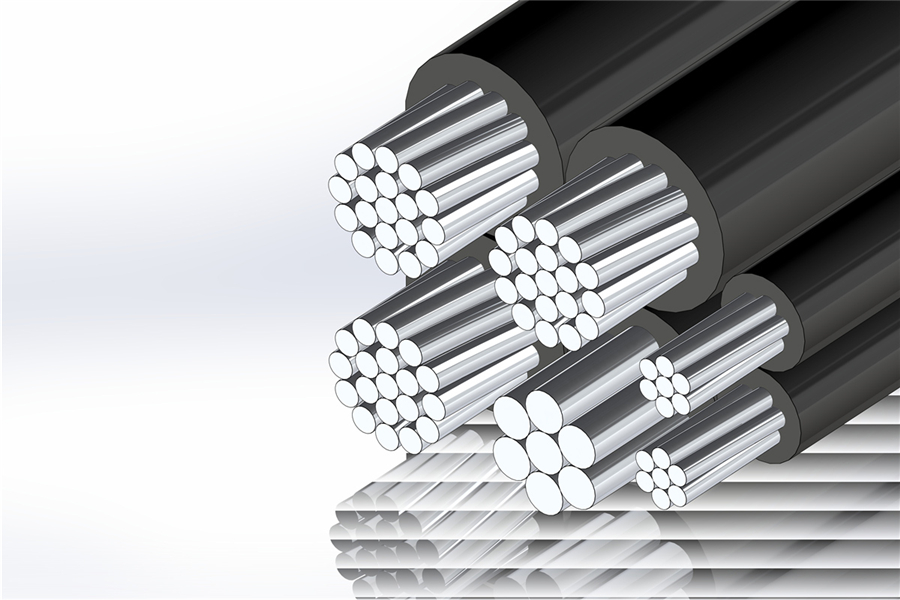
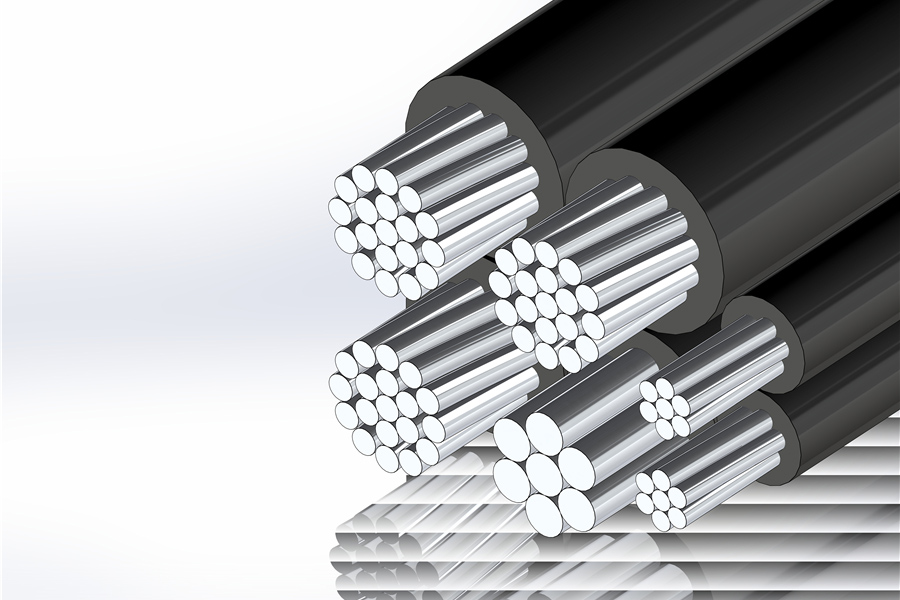
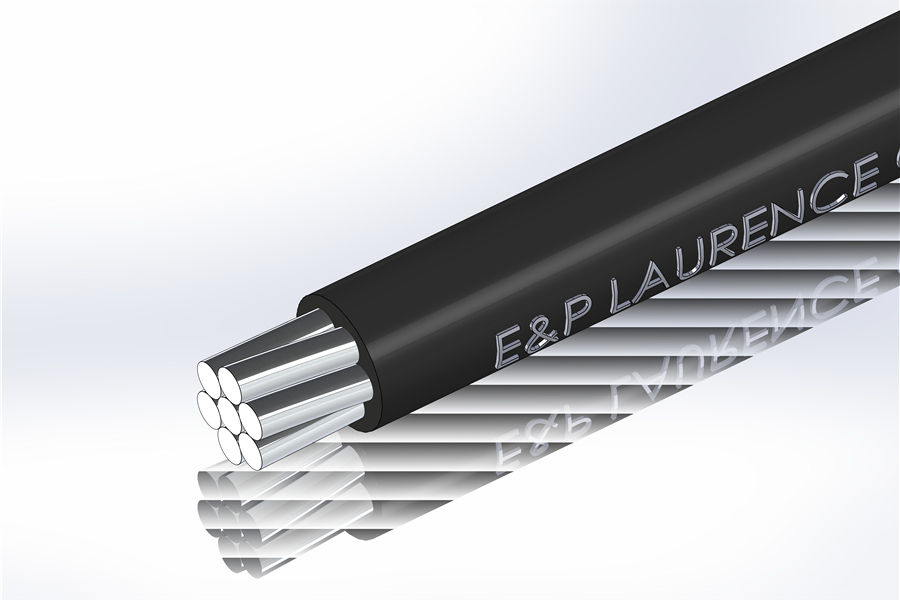
All Aluminum Conductor AAC - BS EN 50182 Standard from China Suppliers and Factory for Efficient Electrical Solutions
container
heading-type-1
div容器
Standard Technical Specifications for Aluminum Stranded Conductor (AAC) overhead electrical lines.
| Aluminum Stranded Conductor (AAC) | ||||||||
|---|---|---|---|---|---|---|---|---|
| Code Name | Old Code Name | Sectional Area | Wire Diameter & Stranding | Diameter of Conductor | Nominal Breaking Load | Linear Mass | Maximum Resistance at 20℃ | |
| mm² | mm | No. | mm | kN | kg/km | Ω/km | ||
| 23-AL1 | MIDGE | 23.3 | 2.06 | 7 | 6.18 | 4.20 | 63.9 | 1.2449 |
| 27-AL1 | GNAT | 26.9 | 2.21 | 7 | 6.63 | 4.83 | 73.5 | 1.0643 |
| 37-AL1 | MOSQUITO | 36.9 | 2.59 | 7 | 7.77 | 6.27 | 101.0 | 0.7749 |
| 43-AL1 | LADYBIRD | 42.8 | 2.79 | 7 | 8.37 | 7.28 | 117.2 | 0.6678 |
| 53-AL1 | ANT | 52.8 | 3.10 | 7 | 9.30 | 8.72 | 144.7 | 0.5409 |
| 64-AL1 | FLY | 63.6 | 3.40 | 7 | 10.20 | 10.49 | 174.0 | 0.4497 |
| 74-AL1 | BLUEBOTTLE | 73.6 | 3.66 | 7 | 10.98 | 11.78 | 201.7 | 0.3880 |
| 79-AL1 | EARWIG | 78.6 | 3.78 | 7 | 11.34 | 12.57 | 215.1 | 0.3638 |
| 84-AL1 | GRASSHOPPER | 84.1 | 3.91 | 7 | 11.73 | 13.45 | 230.2 | 0.3400 |
| 96-AL1 | CLEGG | 95.6 | 4.17 | 7 | 12.51 | 15.30 | 261.8 | 0.2989 |
| 106-AL1 | WASP | 106.0 | 4.39 | 7 | 13.17 | 16.95 | 290.1 | 0.2697 |
| 106-AL1 | BEETLE | 106.4 | 2.67 | 19 | 8.01 | 18.08 | 292.7 | 0.2701 |
| 132-AL1 | BEE | 132.0 | 4.90 | 7 | 14.70 | 21.12 | 361.5 | 0.2165 |
| 158-AL1 | HORNET | 157.6 | 3.25 | 19 | 16.25 | 26.01 | 433.7 | 0.1823 |
| 186-AL1 | CATERPILLAR | 185.9 | 3.53 | 19 | 17.65 | 29.75 | 511.7 | 0.1546 |
| 213-AL1 | CHAFER | 213.2 | 3.78 | 19 | 18.90 | 34.12 | 586.7 | 0.1348 |
| 238-AL1 | SPIDER | 237.6 | 3.99 | 19 | 19.95 | 38.01 | 653.7 | 0.1210 |
| 266-AL1 | COCKROACH | 265.7 | 4.22 | 19 | 29.54 | 42.52 | 731.2 | 0.1081 |
| 323-AL1 | BUTTERFLY | 322.7 | 4.65 | 19 | 32.55 | 51.63 | 887.9 | 0.0891 |
| 373-AL1 | MOTH | 373.1 | 5.00 | 19 | 35.00 | 59.69 | 1026.5 | 0.0770 |
| 372-AL1 | DRONE | 372.4 | 3.58 | 37 | 25.06 | 59.59 | 1027.2 | 0.0774 |
| 415-AL1 | CENTIPEDE | 415.2 | 3.78 | 37 | 26.46 | 66.43 | 1145.2 | 0.0695 |
| 486-AL1 | MAYBUG | 486.1 | 4.09 | 37 | 28.63 | 77.78 | 1340.8 | 0.0593 |
| 530-AL1 | SCORPION | 529.8 | 4.27 | 37 | 29.89 | 84.77 | 1461.4 | 0.0544 |
| 628-AL1 | CICADA | 628.3 | 4.65 | 37 | 41.85 | 100.54 | 1733.1 | 0.0459 |
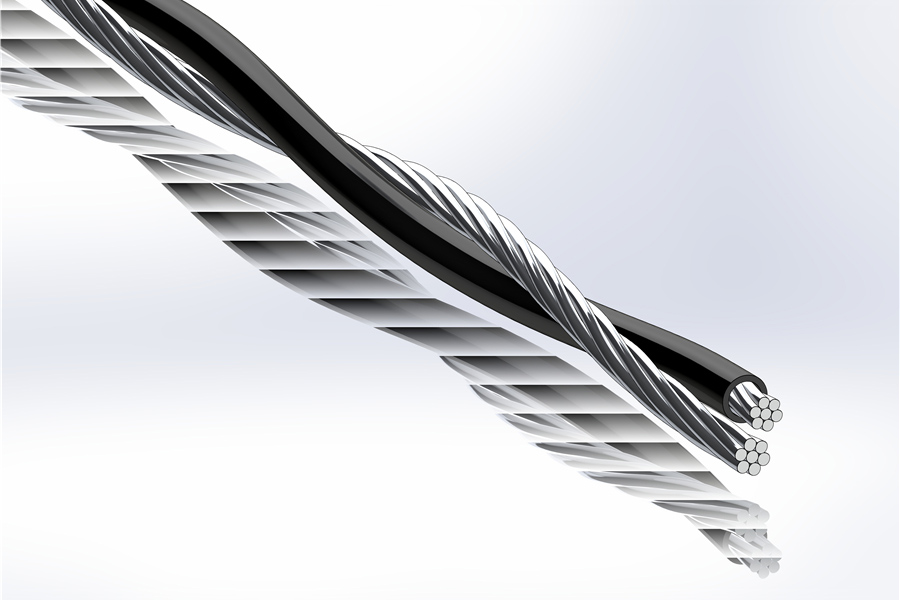
| Note: The outermost layer is twisted to the right (Z). | ||||||||
Frequently Asked Questions
Q: What does AAC conductor stand for?
AAC stands for All Aluminum Conductor. It consists of refined aluminum stranded wires and is mainly used in urban areas where spacing is short and supports are close together.
Q: What is the significance of the direction of lay (Z-twist)?
A right-hand lay (Z-direction) on the outermost layer ensures mechanical stability during stringing and pulling operations, standardizing conductor termination and accessory hardware fittings.
Q: What is the difference between WASP and BEETLE conductor sizes?
While both share an approximate 106 mm² nominal area, WASP consists of 7 strands with a 4.39 mm individual diameter, while BEETLE consists of 19 strands with a 2.67 mm diameter, providing more flexibility and a slightly higher nominal breaking load.
Q: Why are AAC conductors named after insects?
Standard industrial naming conventions (such as British Standard BS 215) assign insect code names (e.g., ANT, WASP, CICADA) to AAC sizes to simplify communication, specification, and procurement in electrical engineering.
Q: At what temperature is the maximum DC resistance measured?
Standard quality ratings define the electrical DC resistance reference value at 20°C (68°F), allowing accurate voltage drop calculations under standardized operational parameters.
Q: Where are AAC conductors typically installed?
AAC conductors are primarily deployed in low, medium, and high voltage overhead transmission and distribution networks, especially in coastal or industrial environments where high corrosion resistance is critical.